We moderns are far too near-sighted. We must lift up our eyes and see the mighty works of God in the past. He has been faithful there, and he will be faithful today. History is God orchestrating a massive victory and we are part of the plan. A great place to see the sure mercies of our God is in 1620 when the Pilgrims sailed on the Mayflower and established a colony at Plymouth.
William Bradford in his account, Of Plymouth Plantation, records that the Pilgrims went to the new world for a number of reasons. One of which was “for the propagating and advancing the gospel of the kingdom of Christ in those remote parts of the world.” Consider that goal: they were going to the new world to be missionaries. That goal is utterly staggering to consider. The Mayflower had about one hundred passengers and they were planning to take over the new world for Christ. That sounds like a terrible idea and an impossible task, after all the new world was a big place. But the Pilgrims were looking with eyes of faith and they saw the new world as too big to miss. And here is America, four hundred years later. I would say the Pilgrims, under the blessing of God, led one of the most successful evangelism ministries ever. We need to imitate our fathers in the faith and look around us with their eyes and get to work.
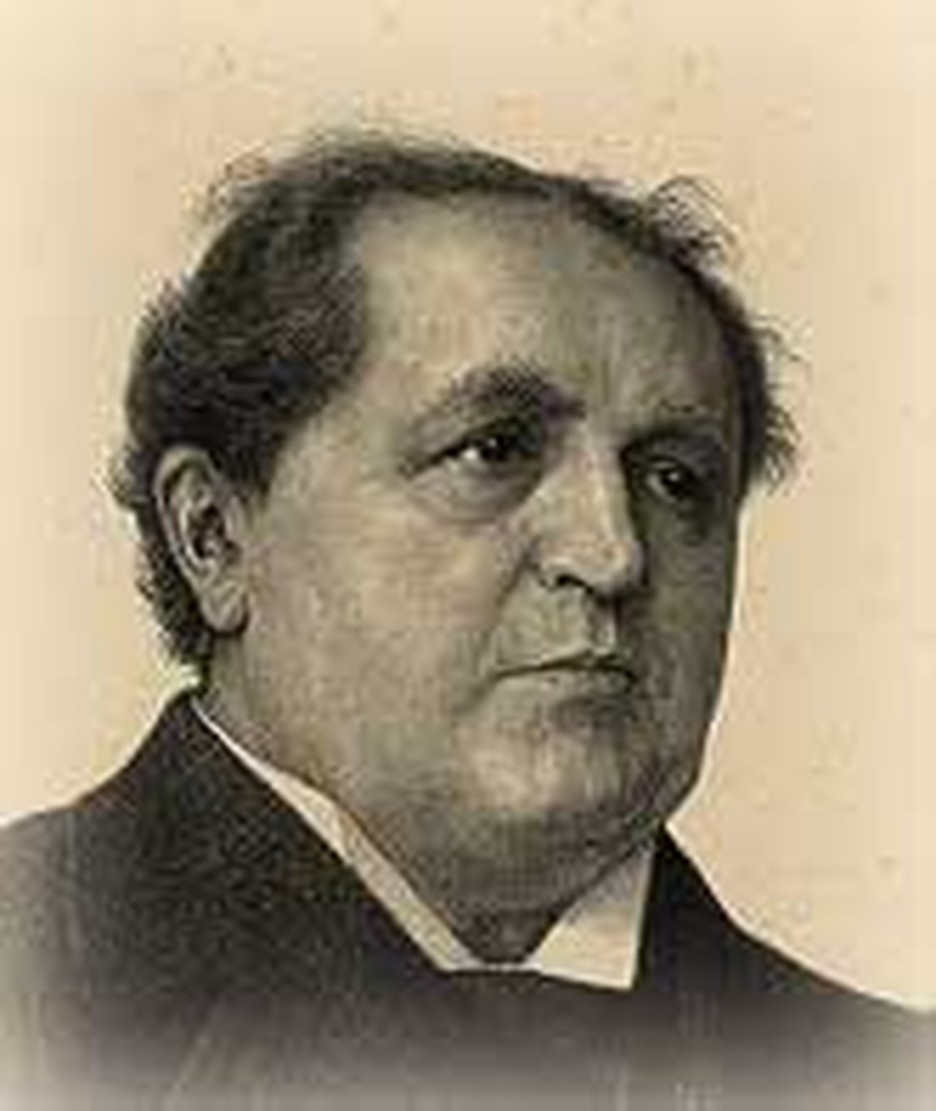
Abraham Kuyper is another great figure to look at who believed the promises of God and got busy building. He was a churchman, a theologian, a politician, a college professor, and more. He was incredibly productive because he understood the large command of the Great Commission to disciple the nations. One of Kuyper’s enemies said that he was an “opponent of ten heads and a hundred hands.” This might have been an insult but I think it captures well the vast amount he was able to do: it seemed like he was ten men. That is the blessing of God on his people.
One of the key areas that Kuyper understood to be vital to the work of Christianity was the work of education. He worked to build a university that was free of government entanglements. This was the Free University.
In this essay, I will look at Kuyper’s concept of Common Grace and how he used that to encourage a Christian approach in teaching which rightly combated the errors of godless secularism while also equipping students with the truth. I will look at a few specific examples in Literature for how we should apply Kuyper’s vision to teaching in the 21st century. Then I will point to several examples of how Classical education prepares the soul for the work of the Gospel. With all of these things in mind, I will argue that we must dream bigger and by God’s grace create an education for the cosmos.
This is the introduction to a chapter in a book forthcoming about Abraham Kuyper. Sign up on my blog for future installments.




 Jesse Sumpter