Imagine you are transported about 25 years into the future and the year is 2050. Ships are traveling to Mars and there is a colony on the Moon. Robots are harvesting crops and flying airplanes. Would you be ready? What would you need to know to survive?
The person who can be dropped into the future and not just survive but thrive, that one wins. That kind of person has a mind that is agile in processing new information. He can assess the situation quickly and see what is critical and see what is unnecessary. He knows what he doesn’t know and he knows how to gain the knowledge he needs. This kind of person is what I call an Integrative Thinker.
Integrative thinkers don’t simply break problems down into independent parts but rather they can see the whole picture all at once. This is the difference between seeing the pieces of the puzzle and seeing the completed puzzle. The one who has the full picture knows where everything goes. This is the power of Integrative thinking.
Integrative thinkers don’t simply break problems down into independent parts but rather they can see the whole picture all at once.
Integrative thinkers can move easily from the known to the unknown. This is what makes them different from other thinkers. They have the same material and information as everyone else but they can see what is not there. They can see what is possible with the given materials and resources. They think beyond the boundaries because they can imagine what the unknown could be. They can put materials together in new ways because they know the basic structure of the world and are able to see the patterns around them.
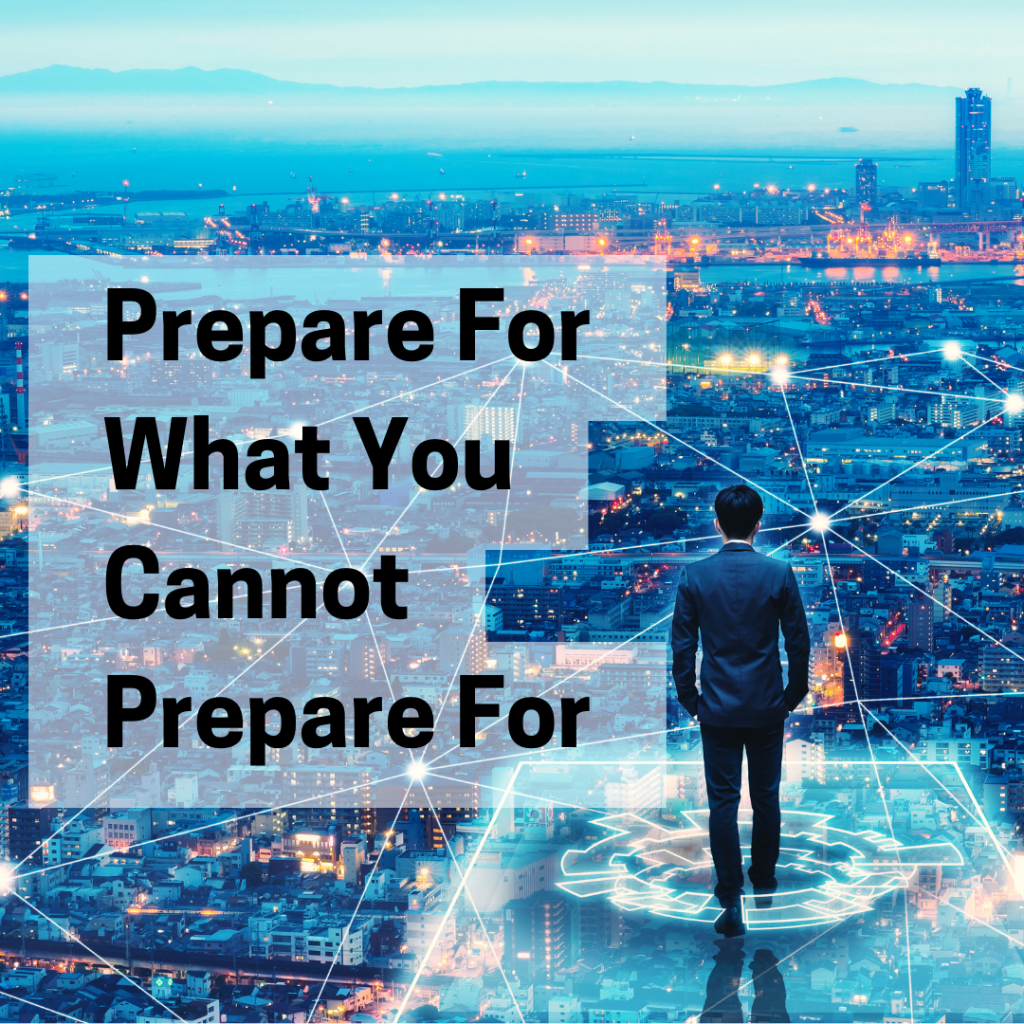
Integrative thinkers are ready for the future. They have the tools necessary to work in new and unexpected circumstances. I have heard it explained as “being prepared for what you cannot prepare for.” So how can you be an Integrative Thinker? What do you need to know today so that you are ready for the future?
Most people are not integrative thinkers. But there is a way to learn this skill and develop it further. The first step is to see that thinking in our day is fractured into unconnected pieces. We teach math with no reference to morality. We study economics without thinking about poetry. We cannot see how beauty relates to living well. The dominant thinking is that we live in a world made of a million billiard balls bouncing around at random. This fragmented thinking inhibits growing as an Integrative thinker. The key is to move past that kind of thinking.
The first step is to see that thinking in our day is fractured into unconnected pieces.
Second, you need to know the pattern for the world. There is a way to discover new knowledge and new ideas but it is not by just trying things at random. The way to true discovery is to know the pattern of the world that God has made and to work in line with that pattern. If you know what has come before, you can see what is new and what is not. If you can see the big picture then you can see what is missing. The way to think in new ways is to know the old ways of thinking. The key is to think in wholes rather than in pieces.
Third, study others who are good Integrative Thinkers. Learn the patterns that they see and how they think in wholes rather than in pieces. A good place to start is C.S. Lewis. Owen Barfield said about Lewis: “What he thought about everything was secretly present in what he thought about anything.” Lewis is accessible and easy to read. See how he talks about a variety of issues as a complete pattern, integrated with a number of other ideas. Lewis moves easily from theology to politics, from literature to life, and everything in between.
The next step is to put these things into practice. Read a book on politics and then read a book on art. Ask yourself how they connect. Look for common themes and ideas. Then read a book on science. Keep the question of how these things connect in your mind as you read. Then watch a movie and see if the principles appear there too. Then listen to a piece of classical music and look for similarities there. The more you read and study the more you will see the same conversation appearing again and again. Seeing the whole picture comes from a lot of reading and studying. Integrative Thinkers are marked by the ability to see the same conversations in multiple contexts. The work to develop this skill is hard but it is worth it.




 Jesse Sumpter